Latest Insights
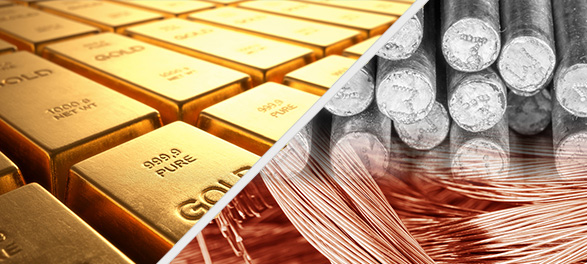
Metal Sector Global Demand Growth
Metals Are Becoming Infrastructure, Not Commodities. As economies electrify, urbanize, and industrialize sustainably, metal demand becomes embedded in long term systems, not short term cycles.
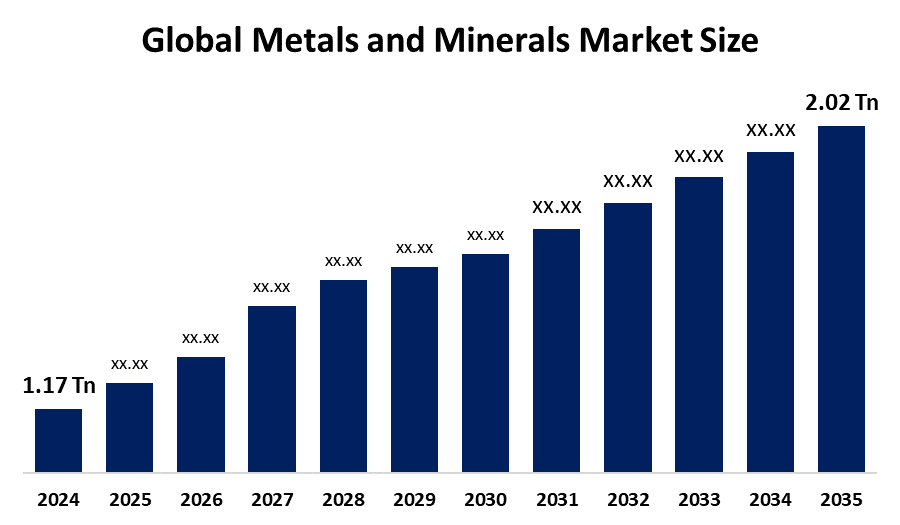
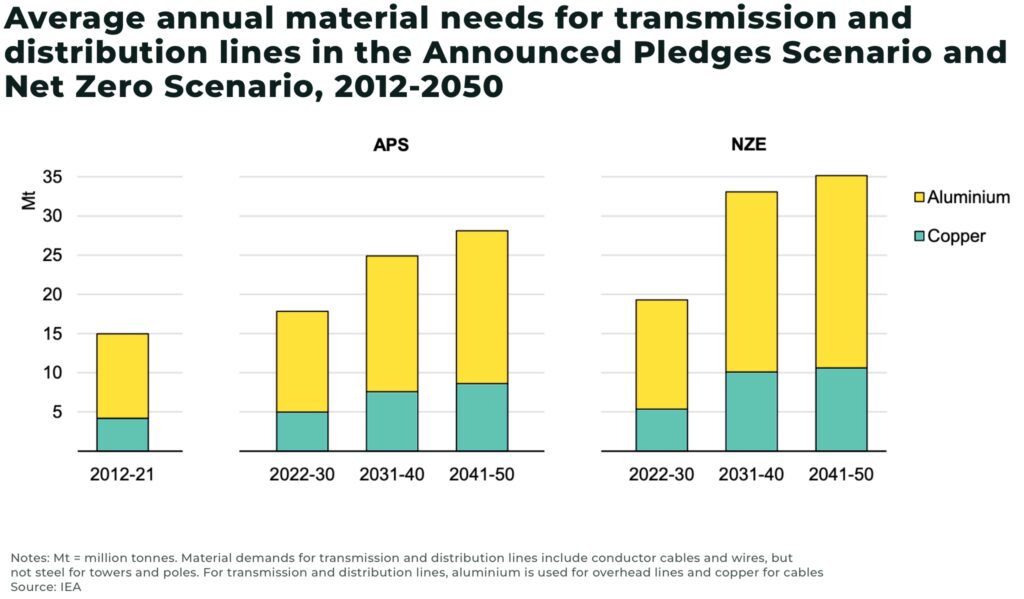
1. Metals as Core Design infrastructure:
Modern economies are being rebuilt around:
- Electrification
- Energy transition
- Urban infrastructure
- Digital networks
Every one of these requires large quantities of metal, not as optional input but as core infrastructure.
Unlike earlier cycles driven by discretionary demand, today’s metal consumption is tied to:
- Power grids
- Transport systems
- Manufacturing capacity
- Data centers
These are long-cycle investments, not short-term trends.
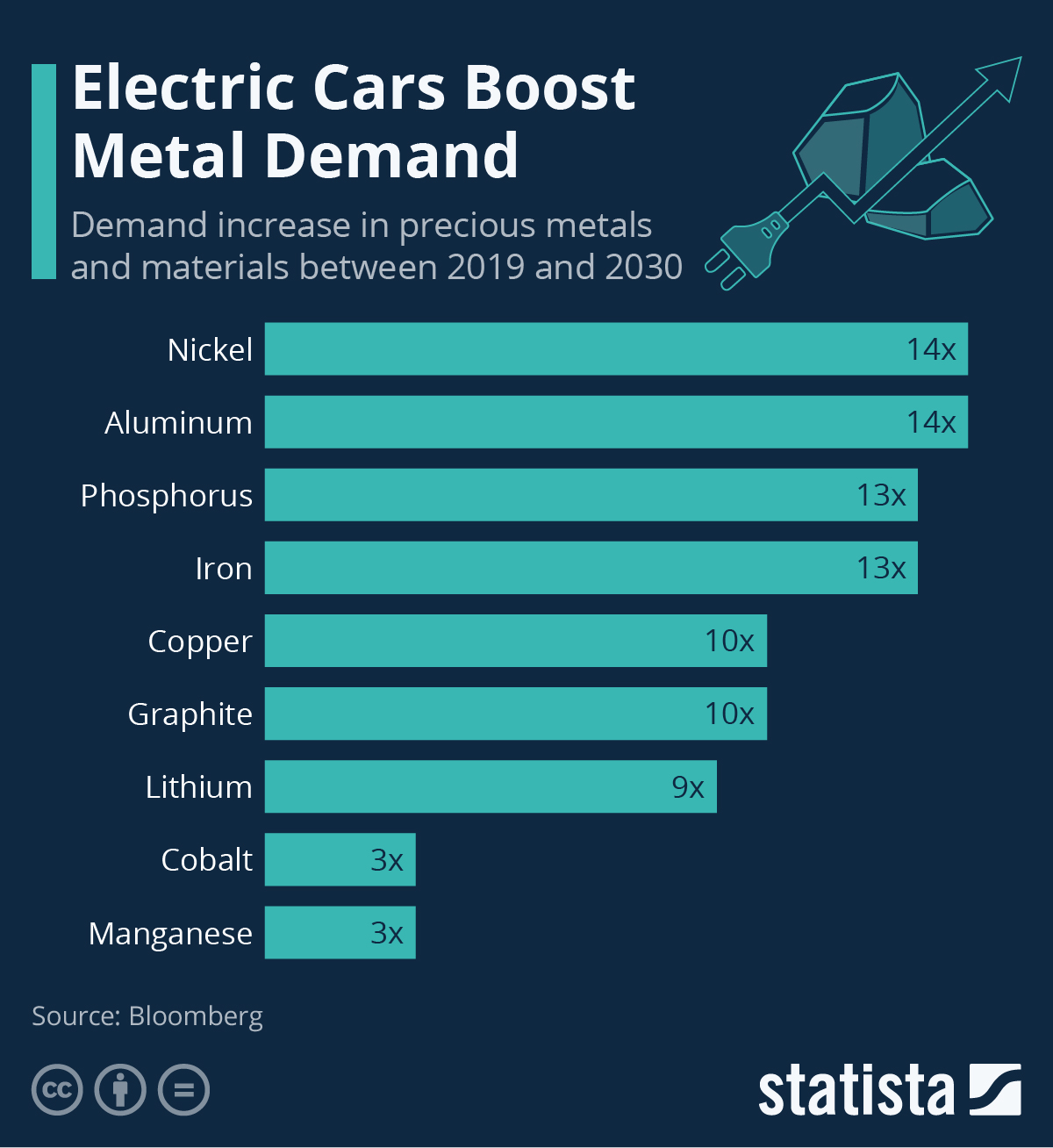
2.Electrification Is Metal-Intensive by Design
Electrification does not reduce metal demand — it multiplies it.
- Electric vehicles use significantly more copper and aluminum than ICE vehicles
- Renewable energy requires large amounts of steel, copper, zinc, and specialty metals
- Grid upgrades and transmission lines are metal-heavy assets
As electrification scales, metal intensity per unit of GDP increases, not decreases.

3.Energy Transition Does Not Eliminate Metals ~ It Changes Which Metals Matter
Solar, wind, and storage are often viewed as “non-metal” solutions.
In reality:
- Wind turbines require steel, copper, and rare alloys
- Solar infrastructure uses aluminum frames and copper wiring
- Battery storage relies on metals throughout the value chain
Energy transition shifts demand from fossil fuels to metal-based infrastructure.
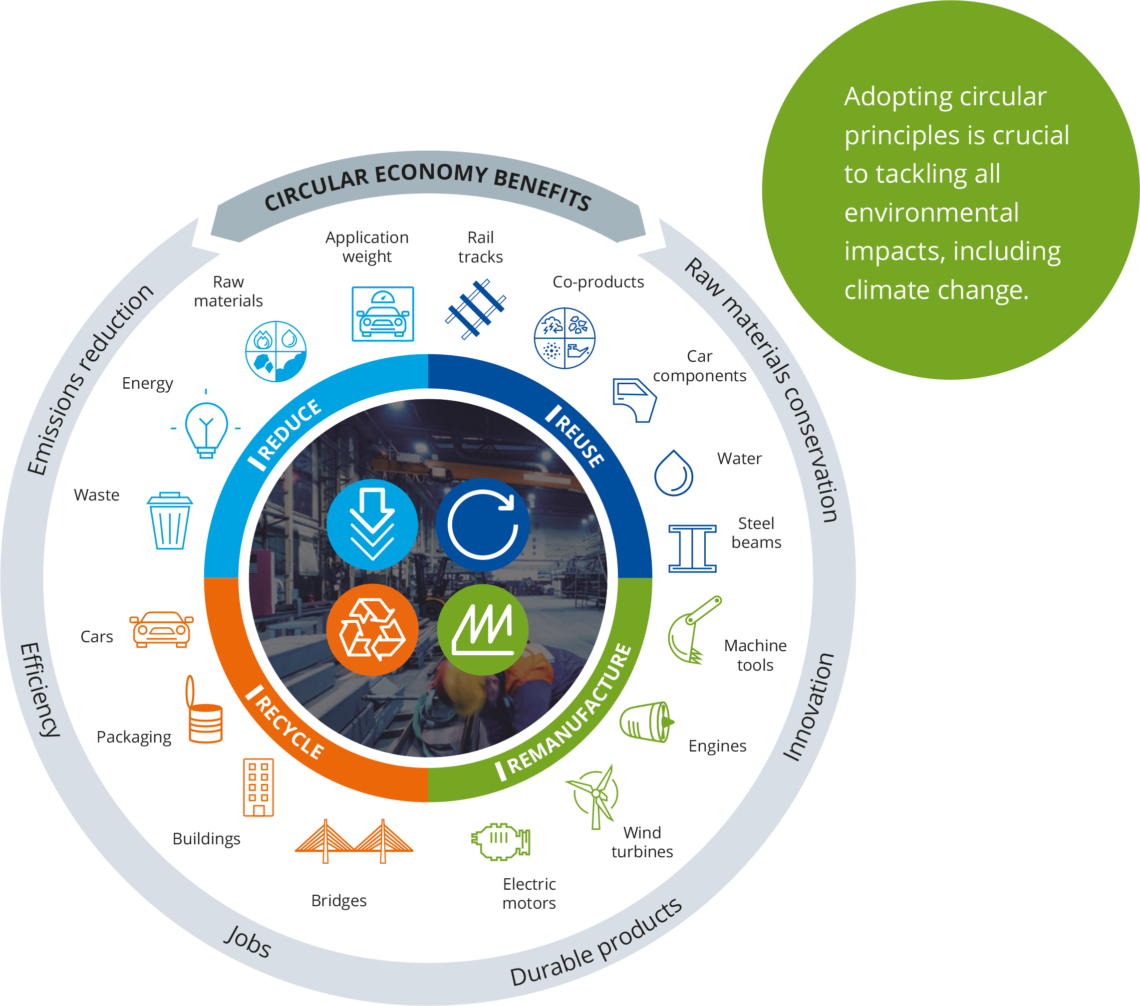
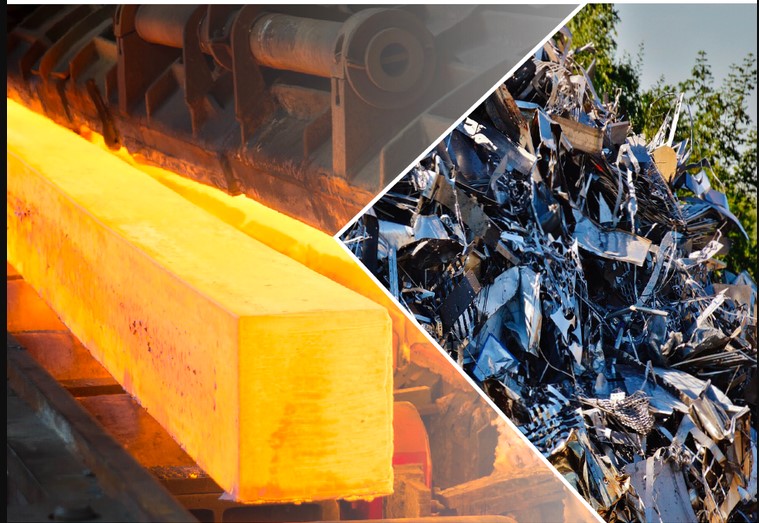
4.Recycling Becomes Structurally Important
Mining alone cannot support future demand because:
- Environmental approvals are slow
- New discoveries are limited
- Extraction costs are rising
Recycling offers:
- Lower energy usage
- Lower emissions
- Faster supply scalability
As demand grows, recycled metal becomes a strategic supply source, not just a cost-saving option.
5.Urbanization Keeps Consumption Elevated
Urban development drives metal usage through:
- Residential construction
- Commercial real estate
- Transport corridors
- Water, sewage, and power systems
Even moderate urban growth creates persistent baseline demand for metals over long periods.
6.Supply Constraints Are Becoming Structural
While demand rises, supply faces challenges:
- Longer project gestation for mines
- ESG and environmental compliance
- Geopolitical restrictions on resource exports
This creates a scenario where availability, not just price, becomes the binding constraint.
7. The Metal Sector Is Moving From Cyclical to Strategic
Earlier metal cycles were driven by:
- China demand
- Inventory swings
- Short-term price movements
The next phase is driven by:
- National infrastructure priorities
- Energy security
- Supply chain resilience
- Circular economy policies
This changes how metal demand behaves during economic slowdowns it may soften, but not collapse.
8. What This Means for the Next 10 Years
- Metal demand is likely to grow steadily, not spike and crash
- Volatility may remain, but base demand rises
- The sector shifts from speculative cycles to long-term allocation
Metals are becoming a strategic input, similar to energy or logistics.
Conclusion:
The world is not using less metal ~ it is using metal differently.
As economies electrify, urbanize, and industrialize sustainably, metal demand becomes embedded in long-term systems, not short-term cycles.
Understanding this shift is critical for anyone studying the next decade of industrial growth.